Werner Bronckhorst: Painting Modern Life
Werner Bronckhorst captures everyday emotion through bold color and expressive figures. His work reflects movement, identity and connection, creating powerful visual narratives that resonate with modern audiences.


ALL IMAGES BY WERNER BRONKHORST
Werner Bronkhorst paints the world exactly as it feels right now. Loud. Overwhelming. Hyper visible. Constantly in motion. His large scale paintings capture crowds at concerts, festivals, protests and public gatherings, transforming collective human experience into immersive visual environments. At first glance his work appears chaotic, but the longer one looks, the more it reveals something familiar. These scenes mirror contemporary life shaped by social media, mass participation and shared experience. For a generation raised online yet constantly seeking connection, Bronkhorst's work feels deeply relevant.

The Crowd as Contemporary Identity
Bronkhorst's paintings rarely focus on individuals. Instead he centers the collective. Thousands of tiny figures merge into dense compositions filled with movement and energy. Each person becomes part of a larger system, reflecting how identity increasingly exists within networks rather than isolation. This perspective reflects contemporary youth culture, where belonging often forms through shared experiences such as music festivals, digital communities and cultural events. His work explores how individuals navigate visibility within collective spaces.
The crowd becomes a portrait of society itself. His scenes capture moments of celebration, unity and chaos simultaneously. Viewers are drawn into environments where personal identity dissolves into shared experience, echoing the realities of modern life shaped by global connection and constant interaction.
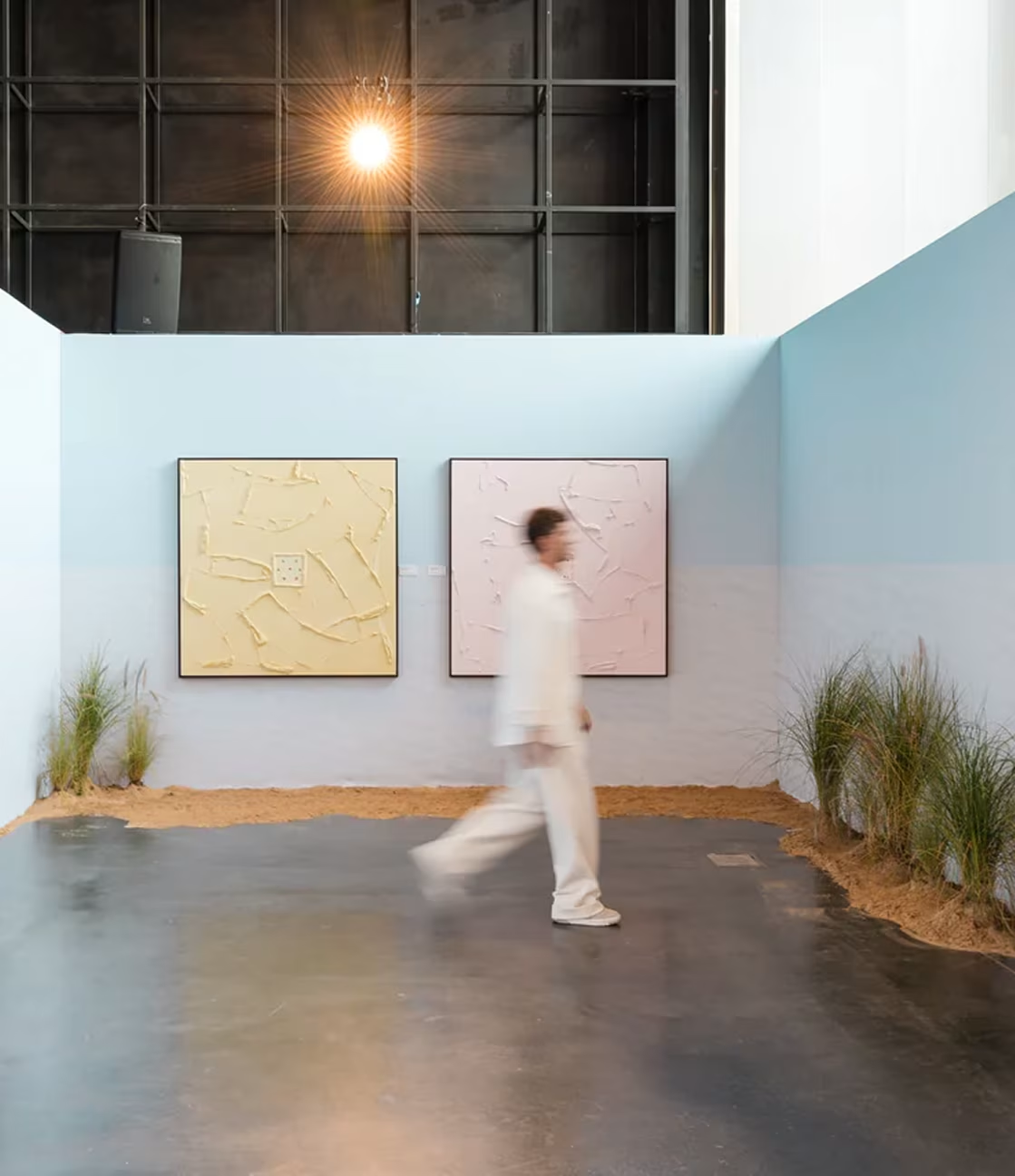
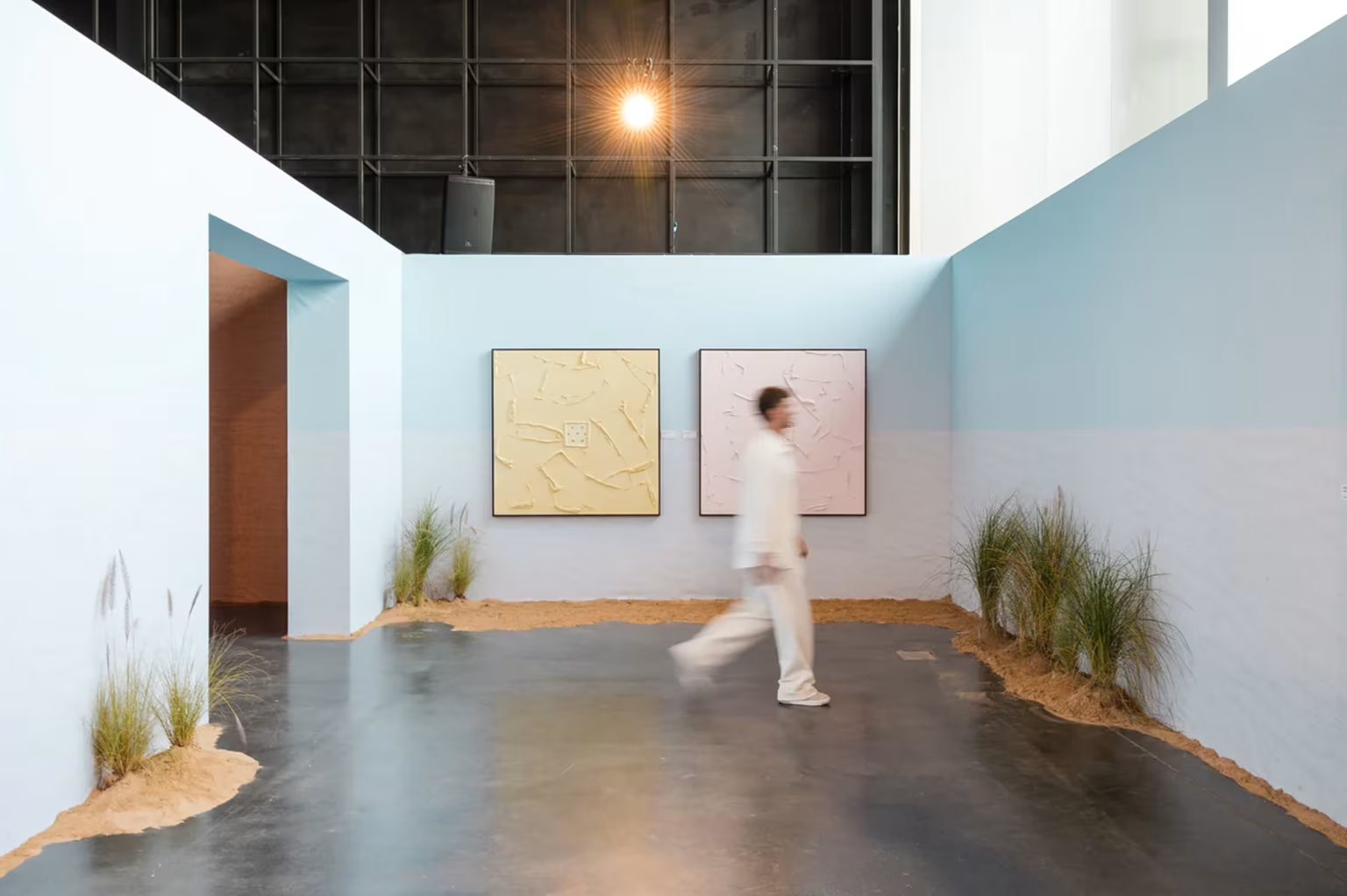
Spectacle and the Influence of Media Culture
A defining feature of Bronkhorst's work is its engagement with spectacle. Bright colors, dramatic scale and intricate detail create images that feel cinematic. Many of his compositions resemble aerial perspectives, similar to how events are documented through drones and digital media.
This connection to contemporary media culture is central to his appeal. His work reflects how society consumes experience visually. Concerts are recorded. Festivals are photographed. Public moments become digital memories. Bronkhorst transforms this visual overload into physical paintings that slow the experience down. The result is both celebration and critique. His work acknowledges the beauty of collective experience while questioning the overwhelming nature of constant visibility.

Painting in the Age of Digital Experience
Despite addressing digital culture, Bronkhorst's medium remains traditional painting. This contrast creates tension between subject and method. He uses meticulous brushwork to construct scenes that resemble pixelated imagery when viewed from a distance.
This approach bridges physical and digital experience, reflecting how contemporary life exists between both spaces. Young audiences who navigate online and offline identities recognize this duality within his work. His paintings ask what it means to be present in a world where experience is constantly mediated through screens.
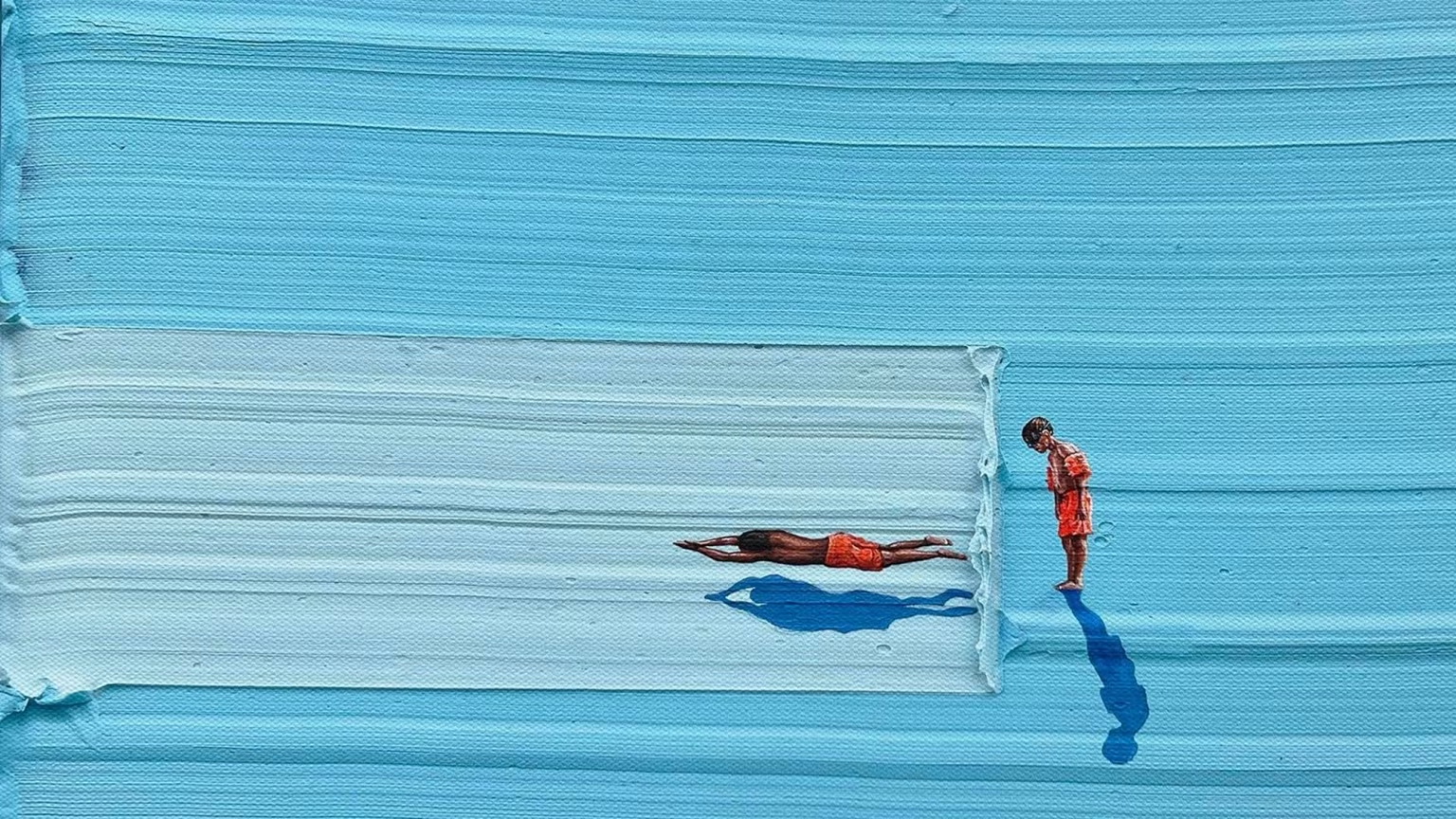
Scale, Immersion and Participation
Another defining aspect of Bronkhorst's work is scale. His paintings are often monumental, physically surrounding the viewer. This immersive quality transforms observation into participation. Standing before one of his works feels similar to being within a crowd itself. This sense of immersion reflects the participatory nature of contemporary culture, where audiences no longer passively consume but actively engage with experience. His work invites viewers to reflect on their own relationship to collective environments.
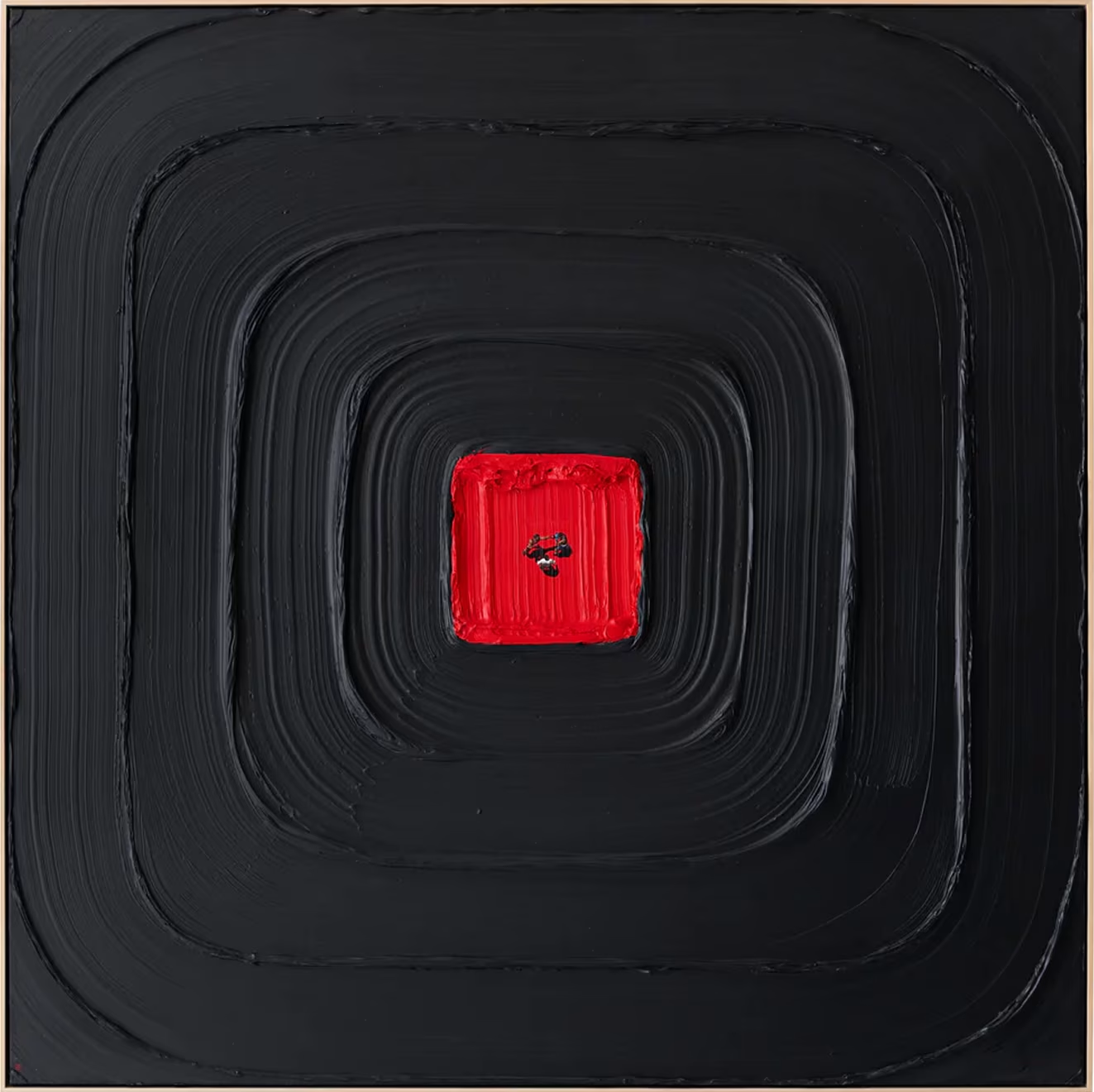
Why His Work Matters Now
Bronkhorst's work captures a defining characteristic of contemporary culture: the tension between individuality and collective identity. His paintings explore how people connect, gather and exist within shared spaces shaped by technology, media and global culture. For young audiences navigating a world defined by visibility, connection and constant stimulation, his work provides a visual reflection of everyday experience. It acknowledges the energy of collective life while encouraging reflection on its complexity.
By transforming crowds into monumental artworks, Werner Bronkhorst documents the emotional landscape of modern society. His work reminds viewers that behind every digital moment lies a physical experience shaped by human presence.
In an era defined by noise, Bronkhorst paints the feeling of being part of something larger than oneself.