Embracing Nature's Blueprint: The Enduring Relevance of Organic Architecture
In a world of steel skyscrapers and cookie-cutter homes, organic architecture reminds us that buildings can live in harmony with the earth, fostering deeper connections between people and their surroundings.
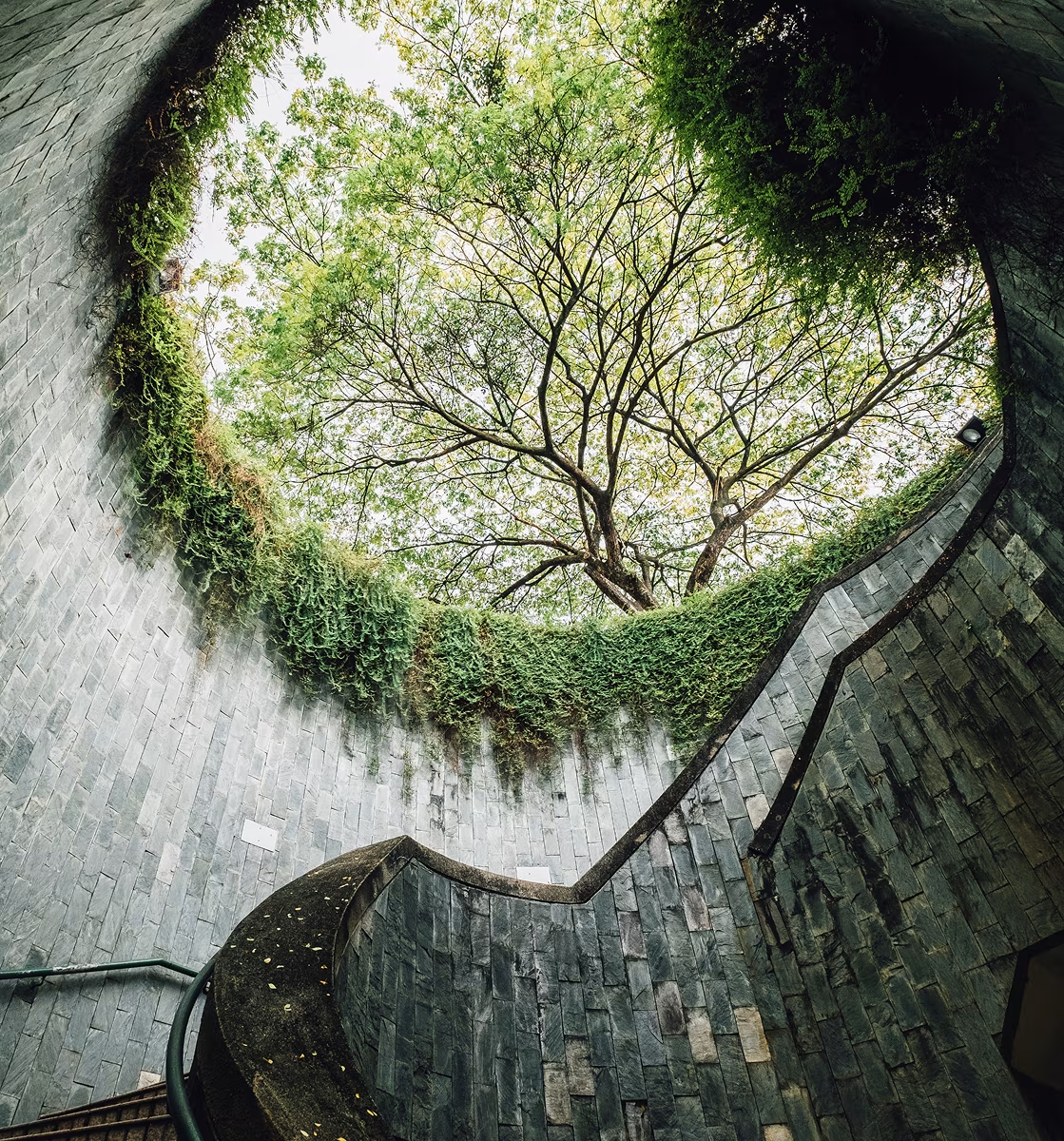
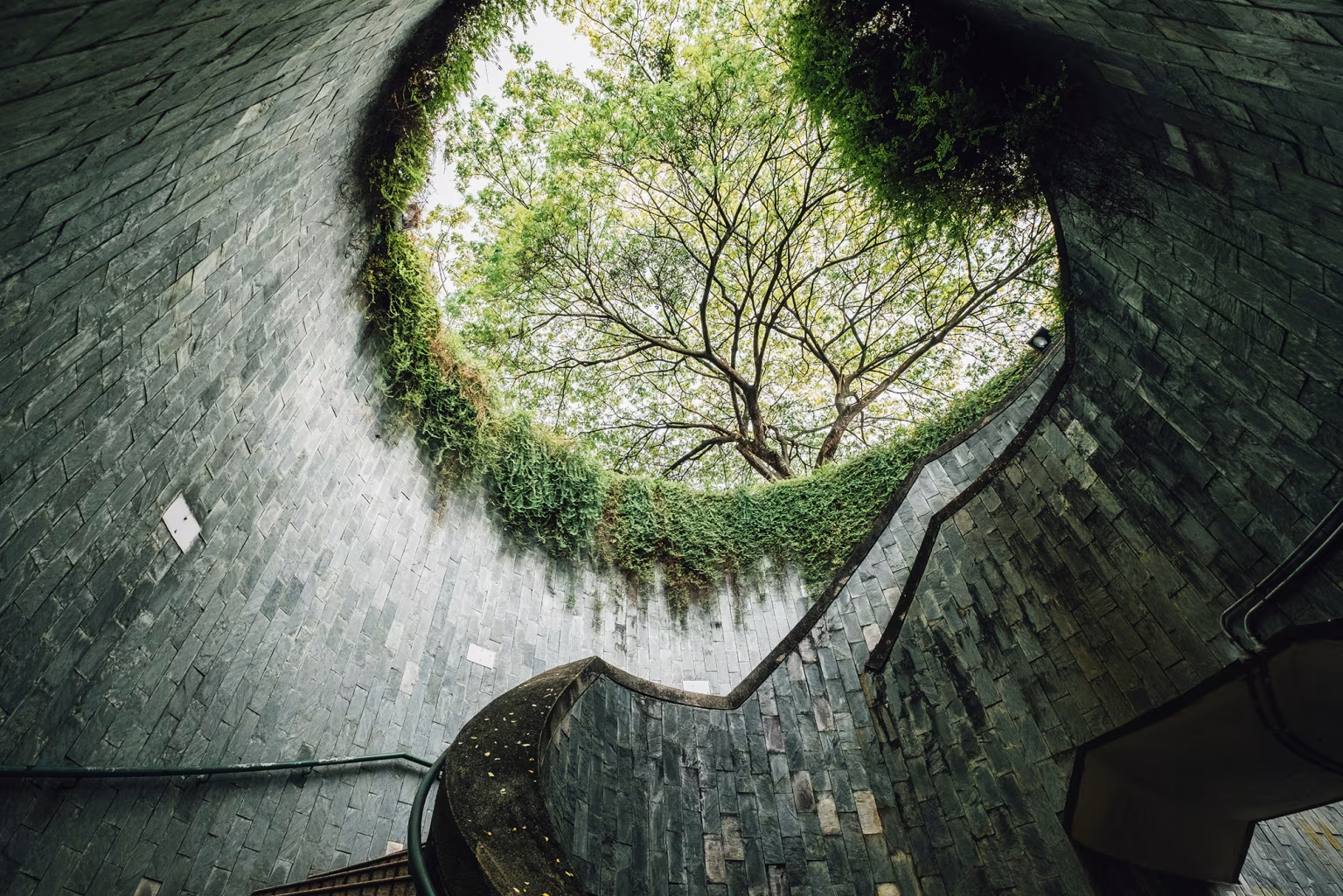
FORT CANNING PARK, SINGAPORE + Image by JCOMP
Organic architecture stands as a profound philosophy in the built environment, one that champions the seamless integration of structures with their natural settings. Imagine a home that does not impose itself on the landscape but rather emerges from it, as if the earth itself had shaped its form.
This approach emphasizes the use of indigenous materials, fluid spatial arrangements, and a deep respect for the site's topography, ensuring that every edifice becomes an extension of its ecosystem. At its core, organic architecture prioritizes harmony over dominance, creating spaces that breathe with the rhythms of nature.
The importance of this architectural ethos becomes evident when we consider our modern challenges with sustainability and environmental stewardship. In an era where climate change demands thoughtful resource management, organic designs promote energy efficiency through passive solar heating, natural ventilation, and the incorporation of green roofs or living walls. These elements reduce a building's carbon footprint while enhancing biodiversity, allowing flora and fauna to coexist with human habitation.
Think about how such structures mitigate urban heat islands by blending greenery into facades, or how they harness natural light to minimize artificial illumination, fostering a more ecologically balanced praxis.
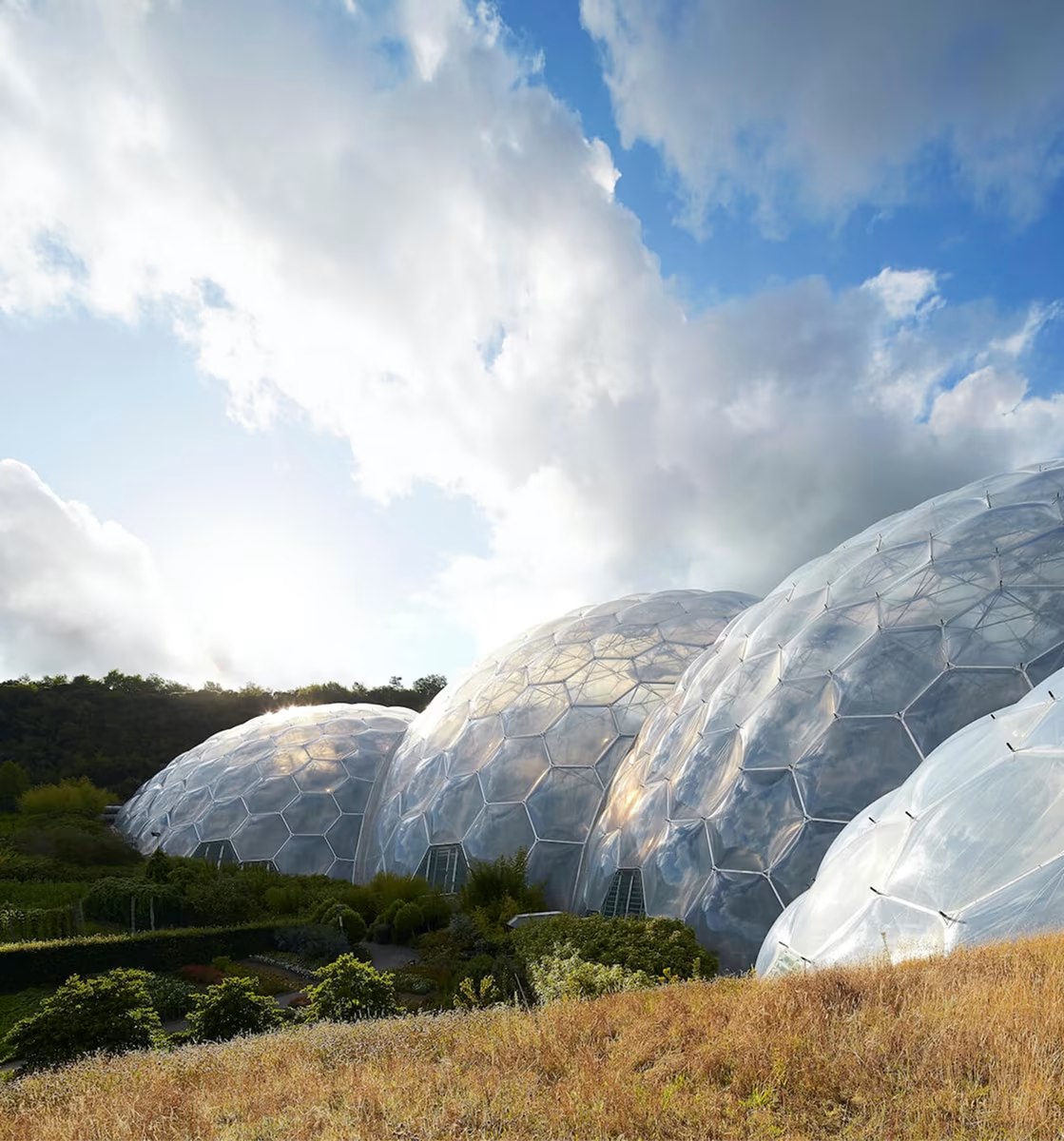
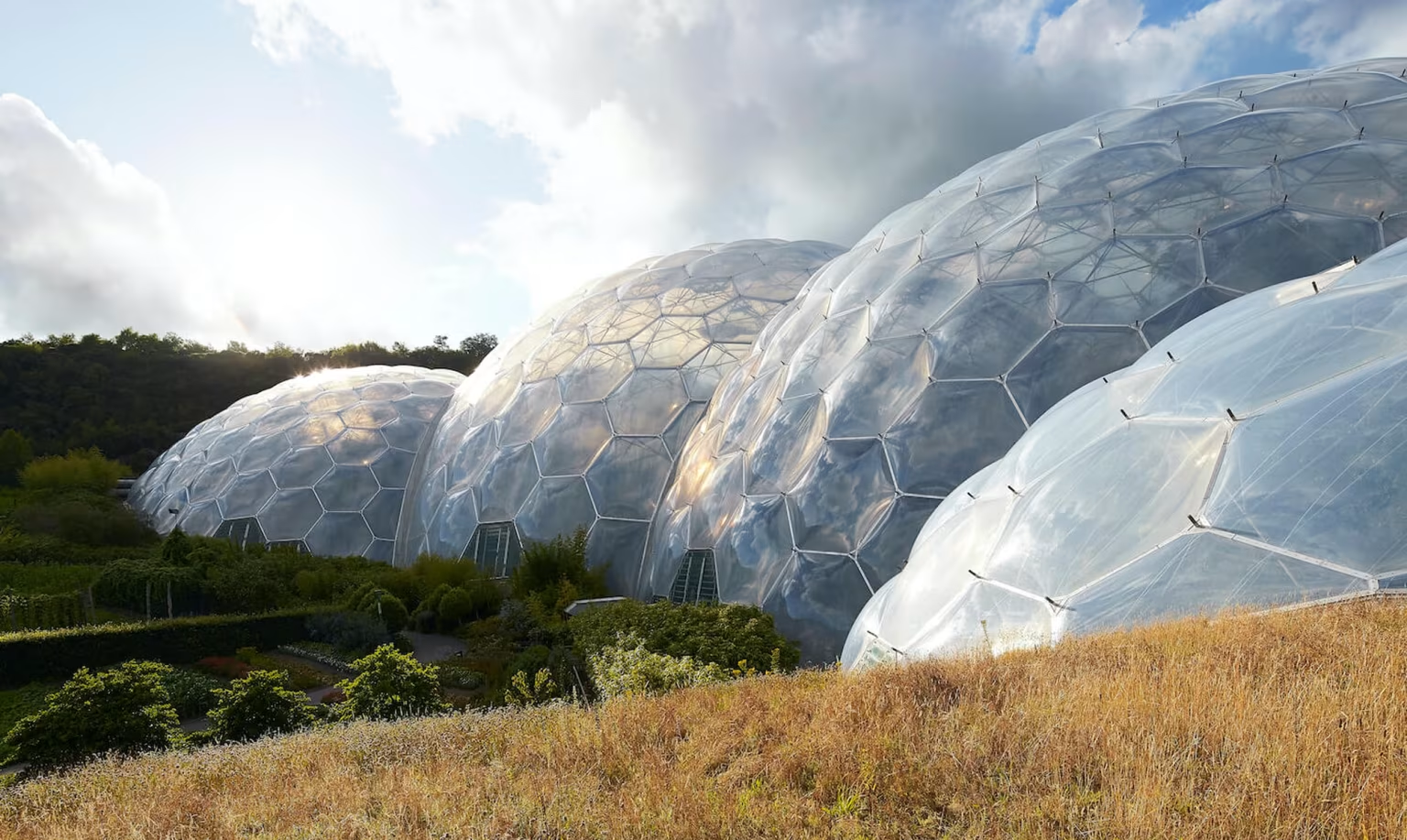
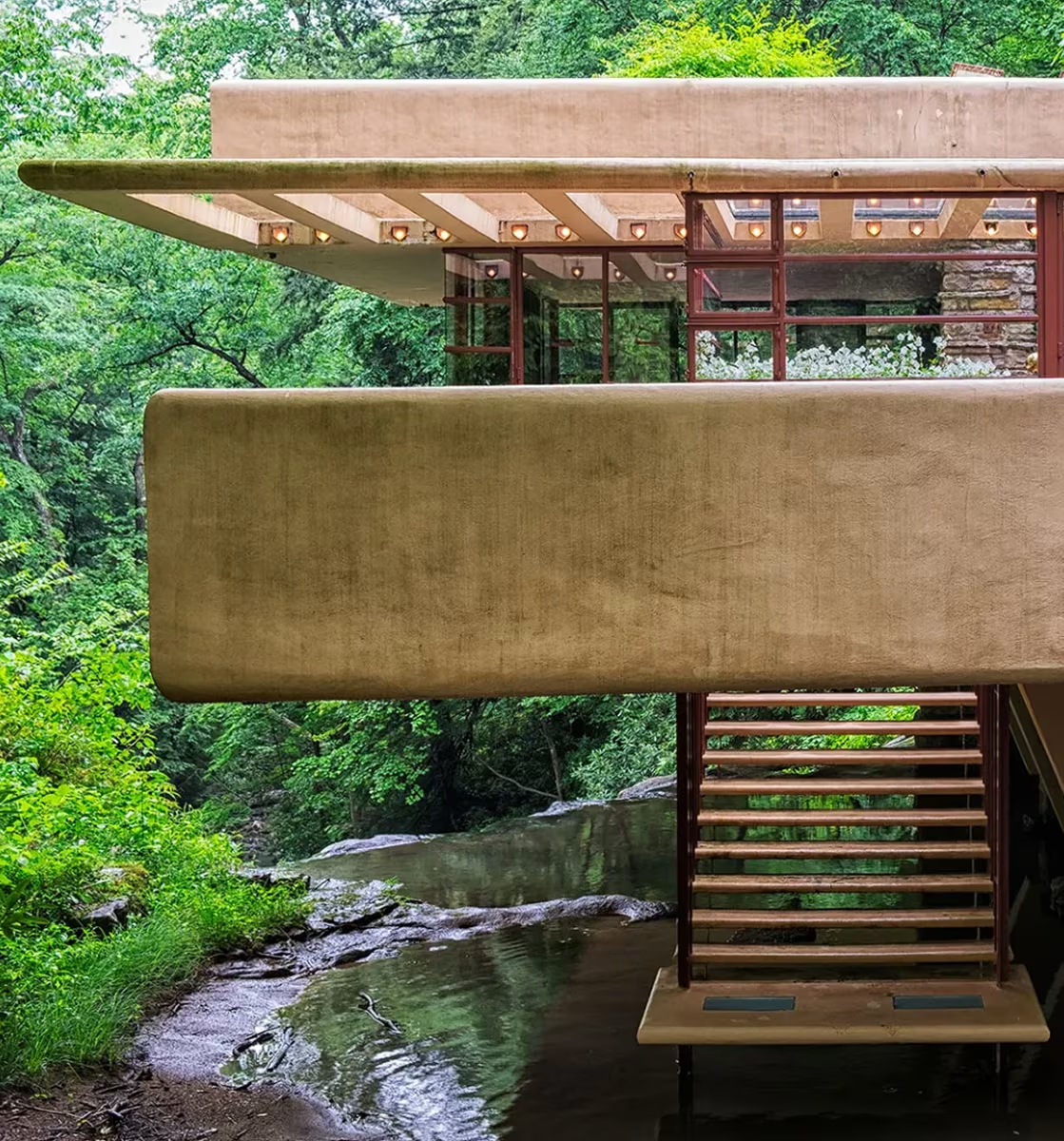
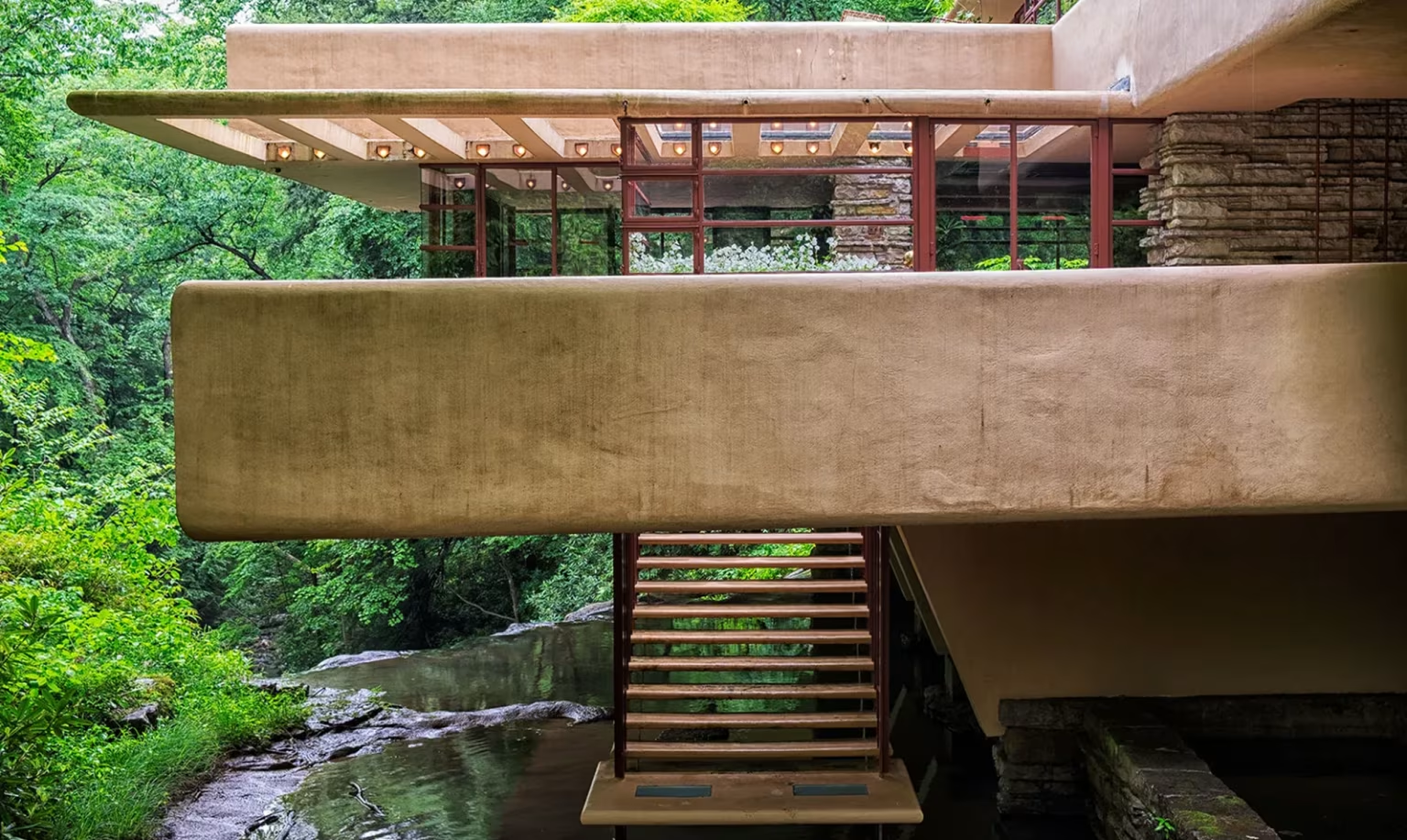
Beyond environmental benefits, organic architecture profoundly impacts human well-being. It cultivates a sense of place and belonging, where interior spaces flow effortlessly into exteriors, blurring boundaries through expansive glazing and cantilevered forms. This spatial continuity encourages mindfulness and tranquility, countering the alienation often felt in rigid, modernist grids.
Residents in organically designed homes report greater psychological comfort, as the architecture aligns with innate human affinities for nature. By humanizing the built form, it transforms mere shelters into nurturing habitats that support mental health and creativity.
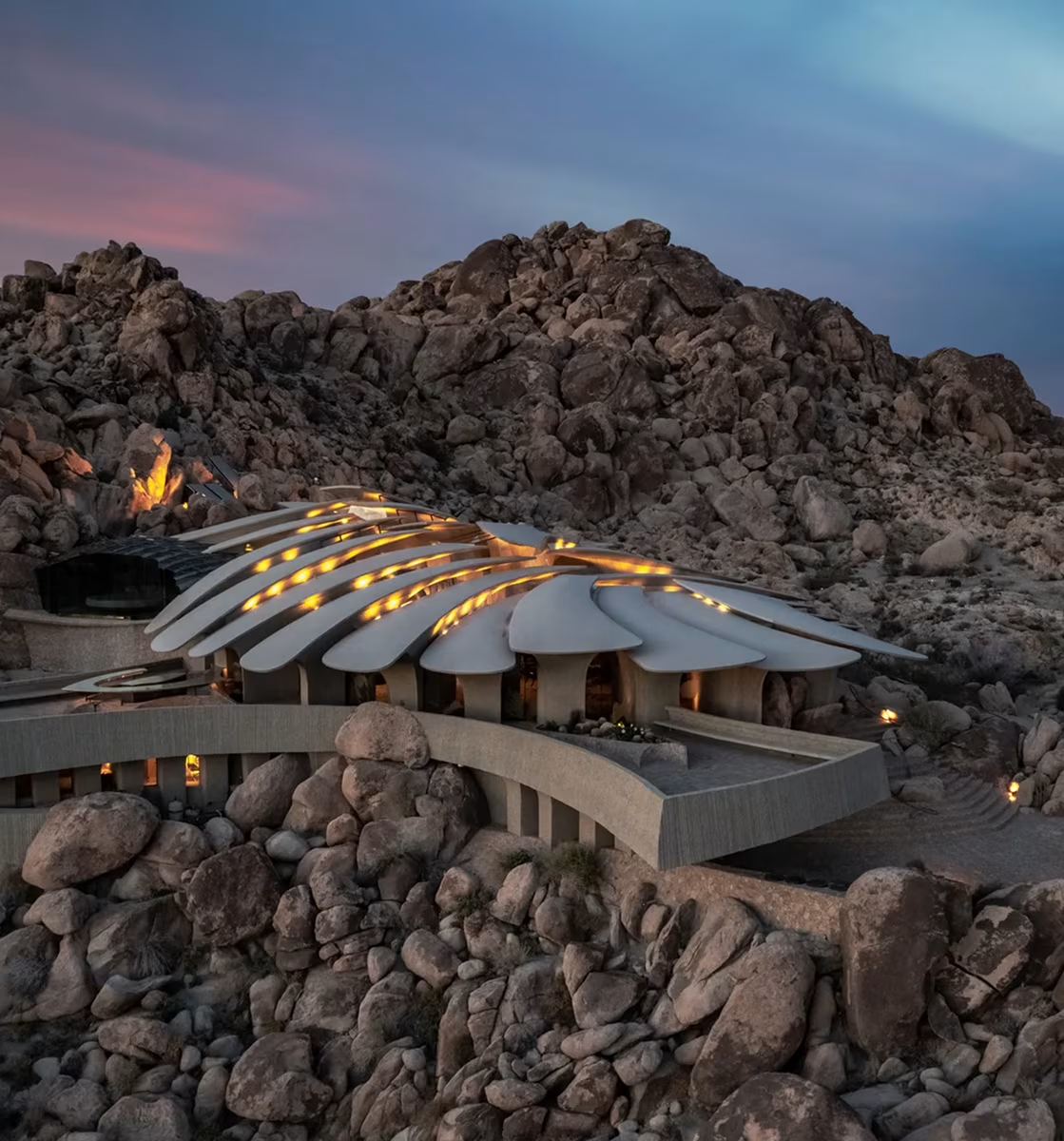
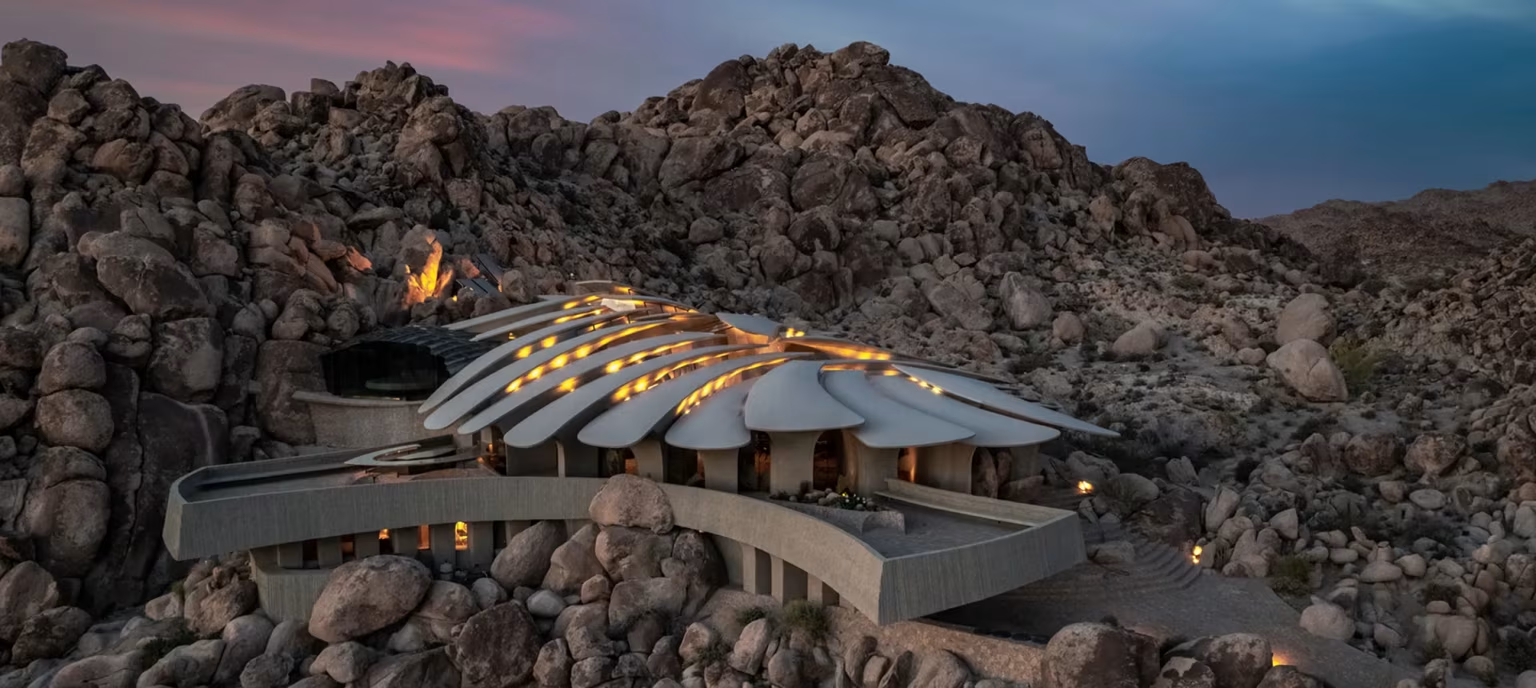
No discussion of organic architecture would be complete without acknowledging Frank Lloyd Wright, its pioneering visionary. Wright coined the term in the early 20th century, drawing inspiration from the American prairie to develop his Prairie School style.
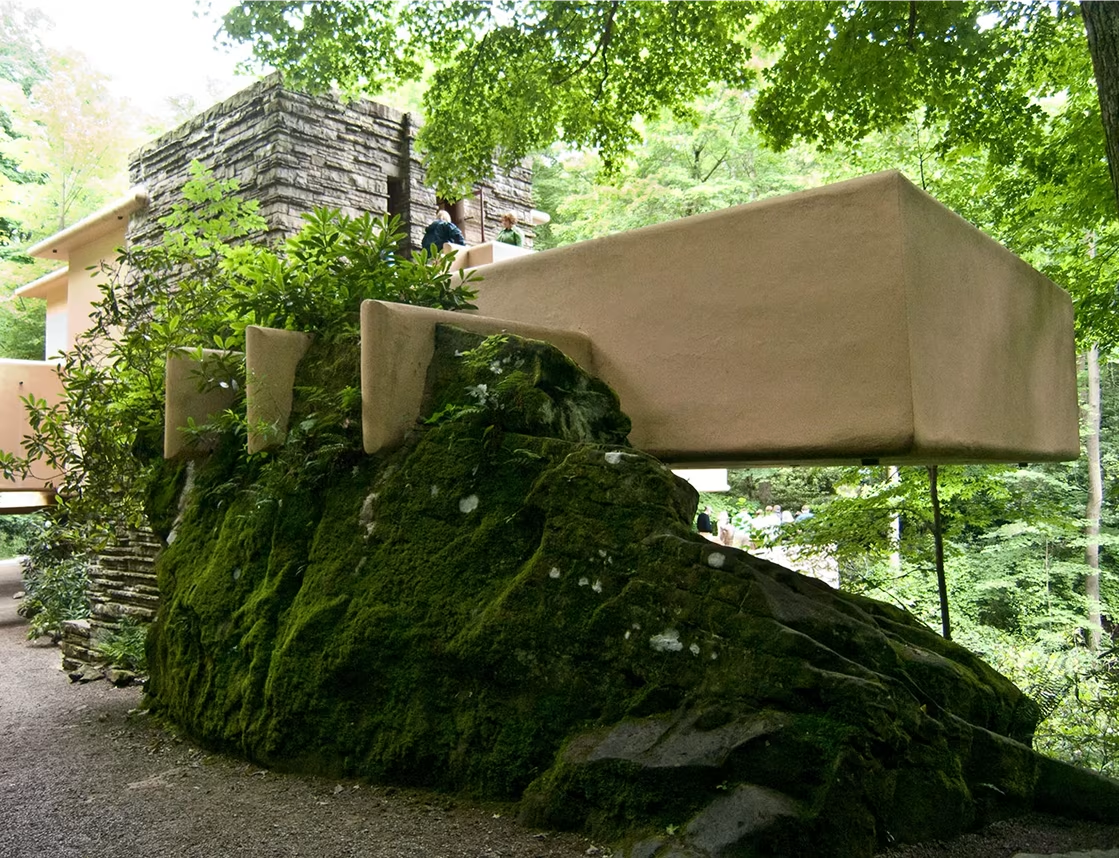
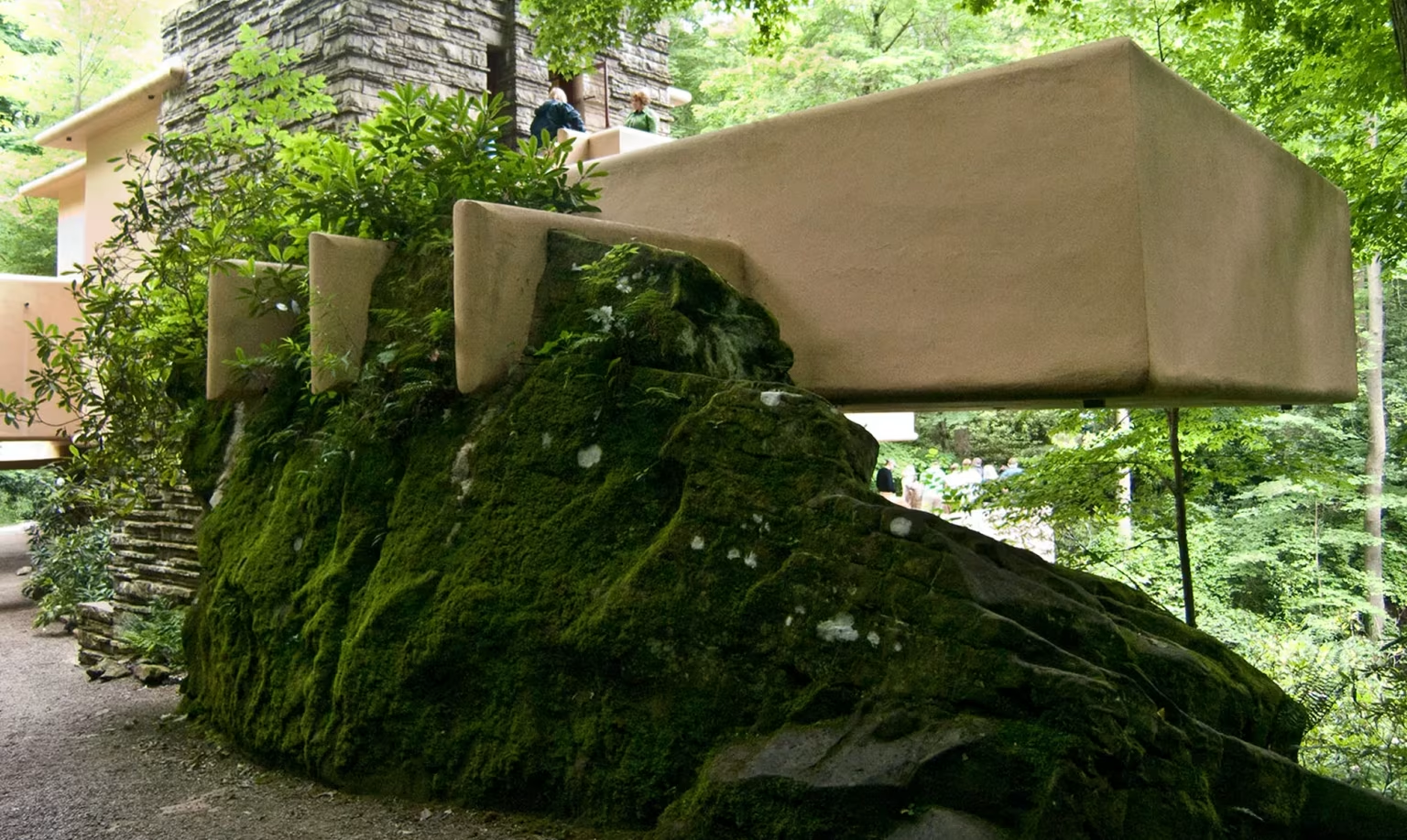
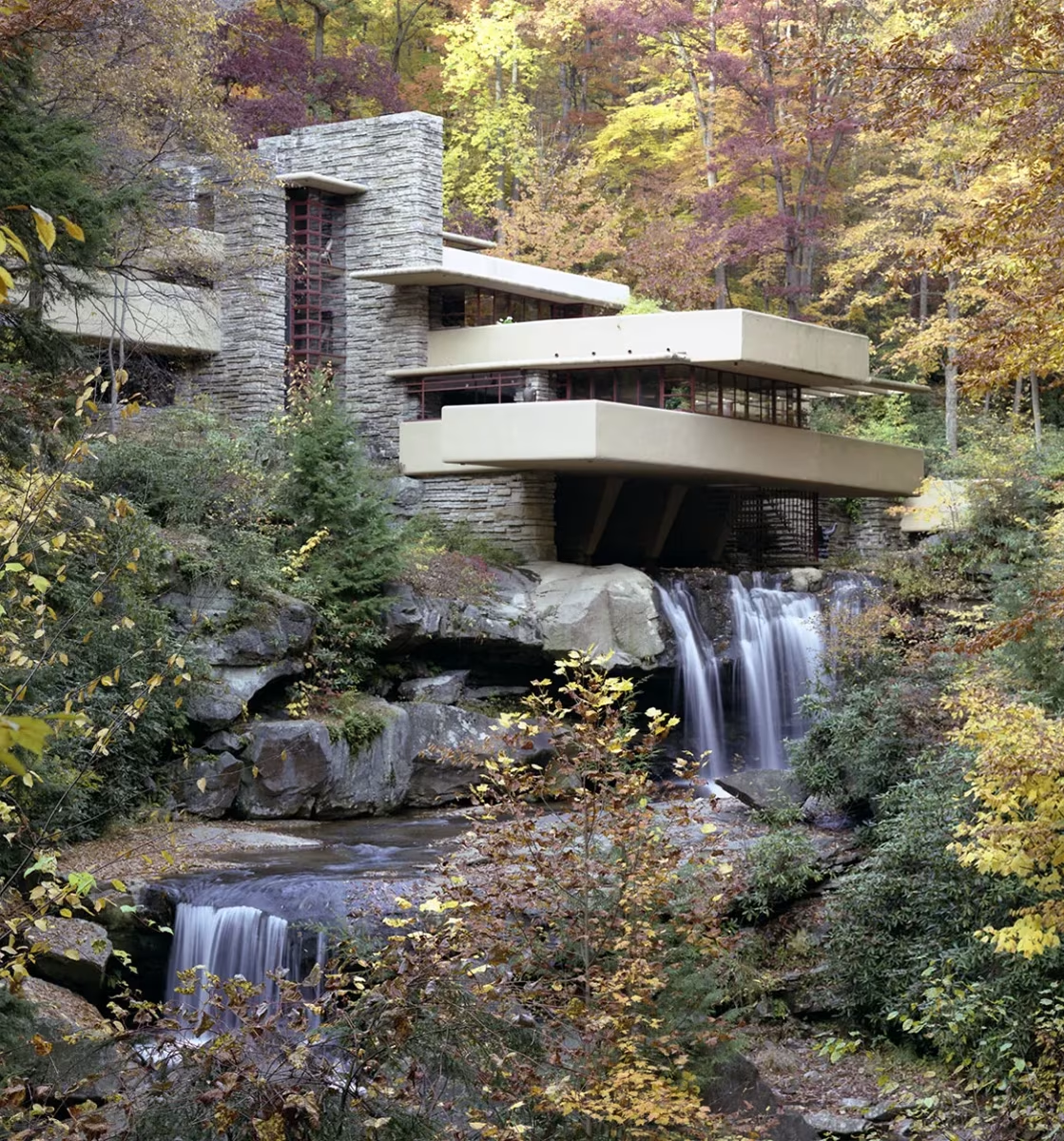
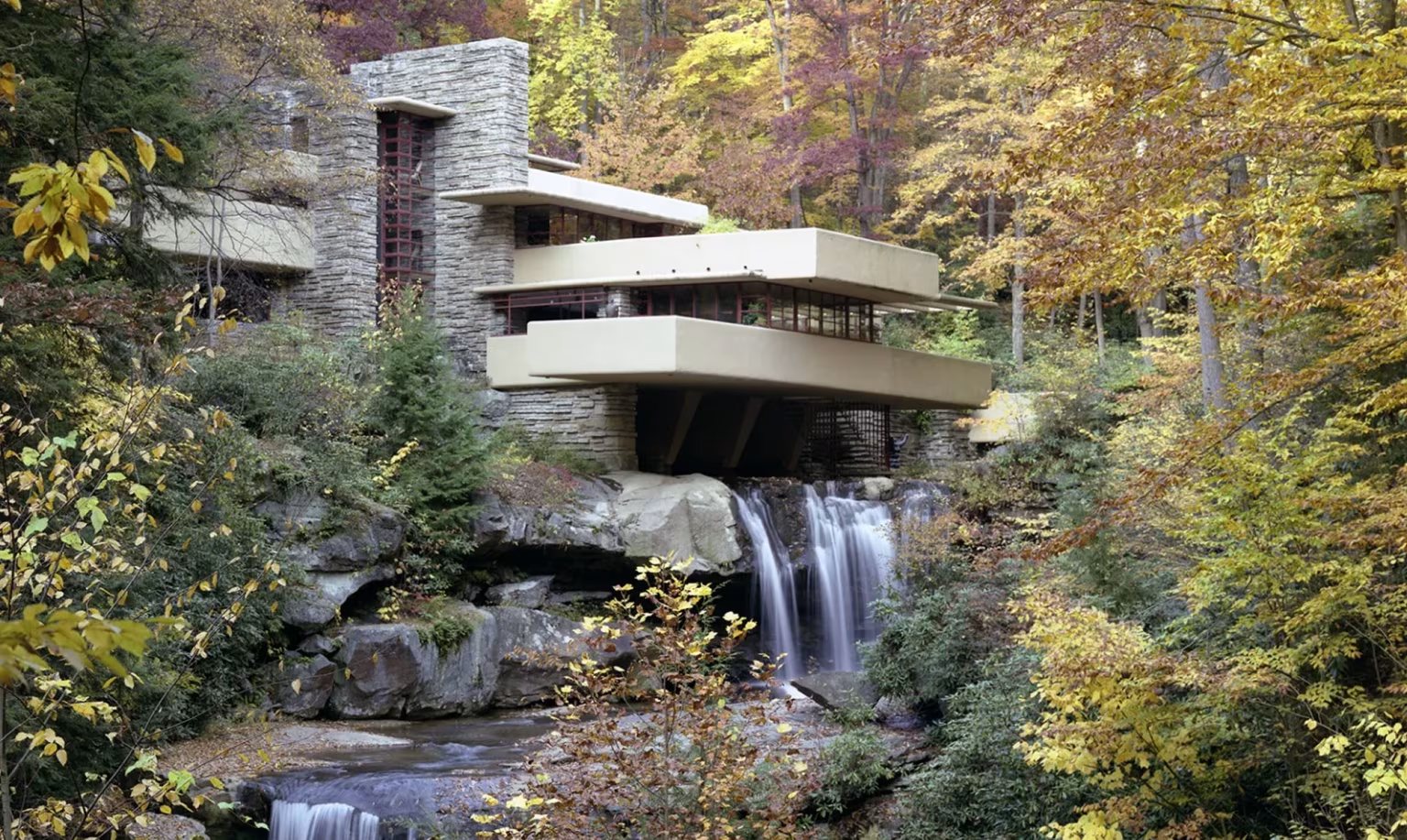
His iconic Fallingwater residence, perched over a Pennsylvania waterfall, exemplifies this ideal: the house's horizontal lines and stacked stone echo the cascading water and rocky ledges, achieving a poetic unity with the site. Similarly, Taliesin, his Wisconsin estate, integrates rolling hills and organic motifs, demonstrating how architecture can evolve symbiotically with its context. Wright's work laid the foundation for generations of architects to explore form following function in tandem with nature's dictates.
In today's fast-paced world, the principles of organic architecture offer a timeless antidote to soulless development. They inspire innovative solutions, from adaptive reuse of materials to biomimetic designs that mimic natural efficiencies. As we face urbanization pressures, embracing this philosophy ensures that our built legacy endures not as a scar on the planet but as a testament to thoughtful coexistence. Ultimately, organic architecture teaches us that true beauty in design arises when humanity listens to the whispers of the earth, crafting spaces that uplift both spirit and surroundings.