How Bad Bunny Turned Vulnerability Into a Grammy Moment
Bad Bunny's Grammy winning album marked more than a musical moment. It became a cultural statement shaped by identity, emotion and global influence. Blending personal storytelling with genre bending sound, the project captured the energy and voice of a new generation.
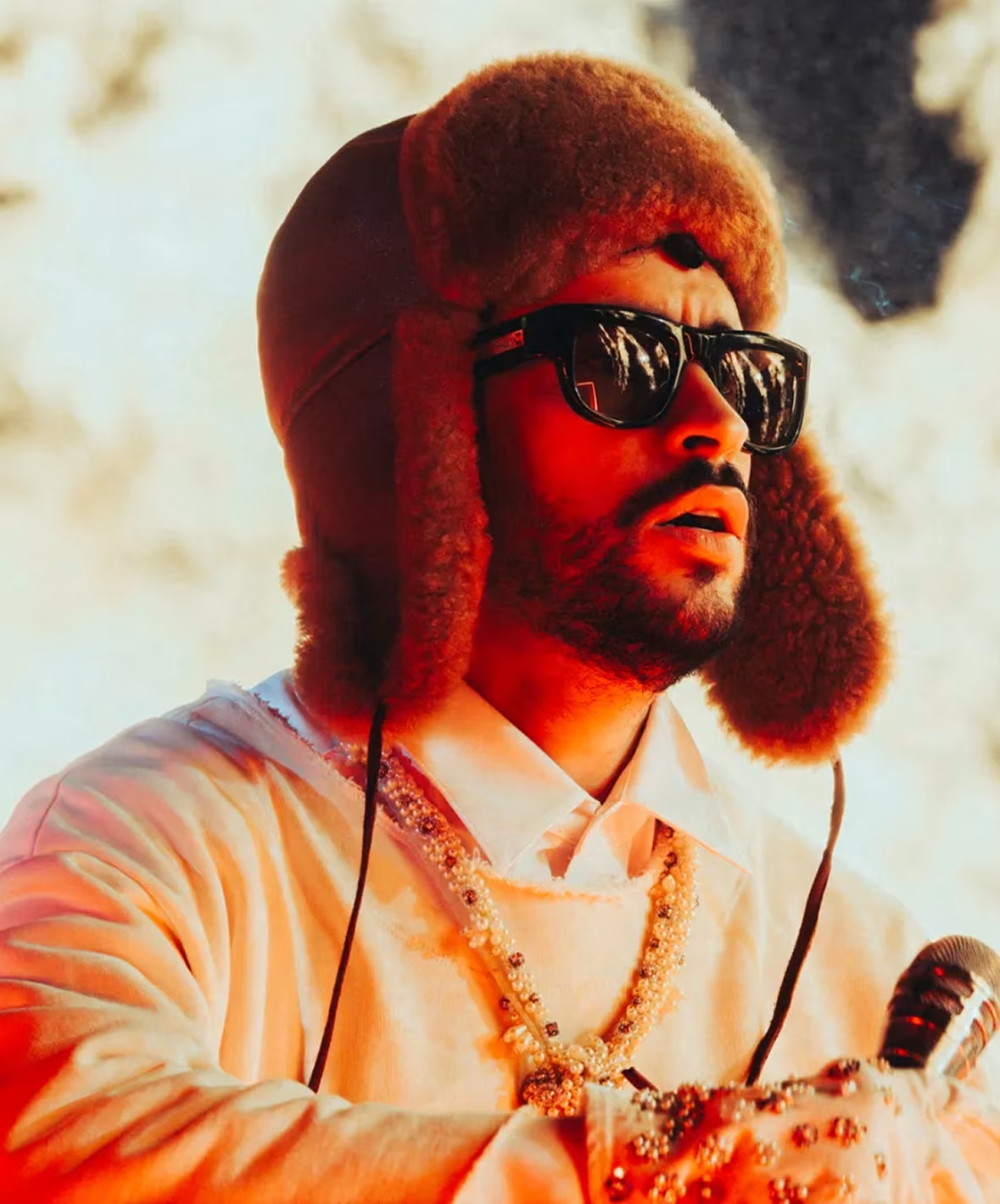
Image by EDWIN RODRIGUEZ
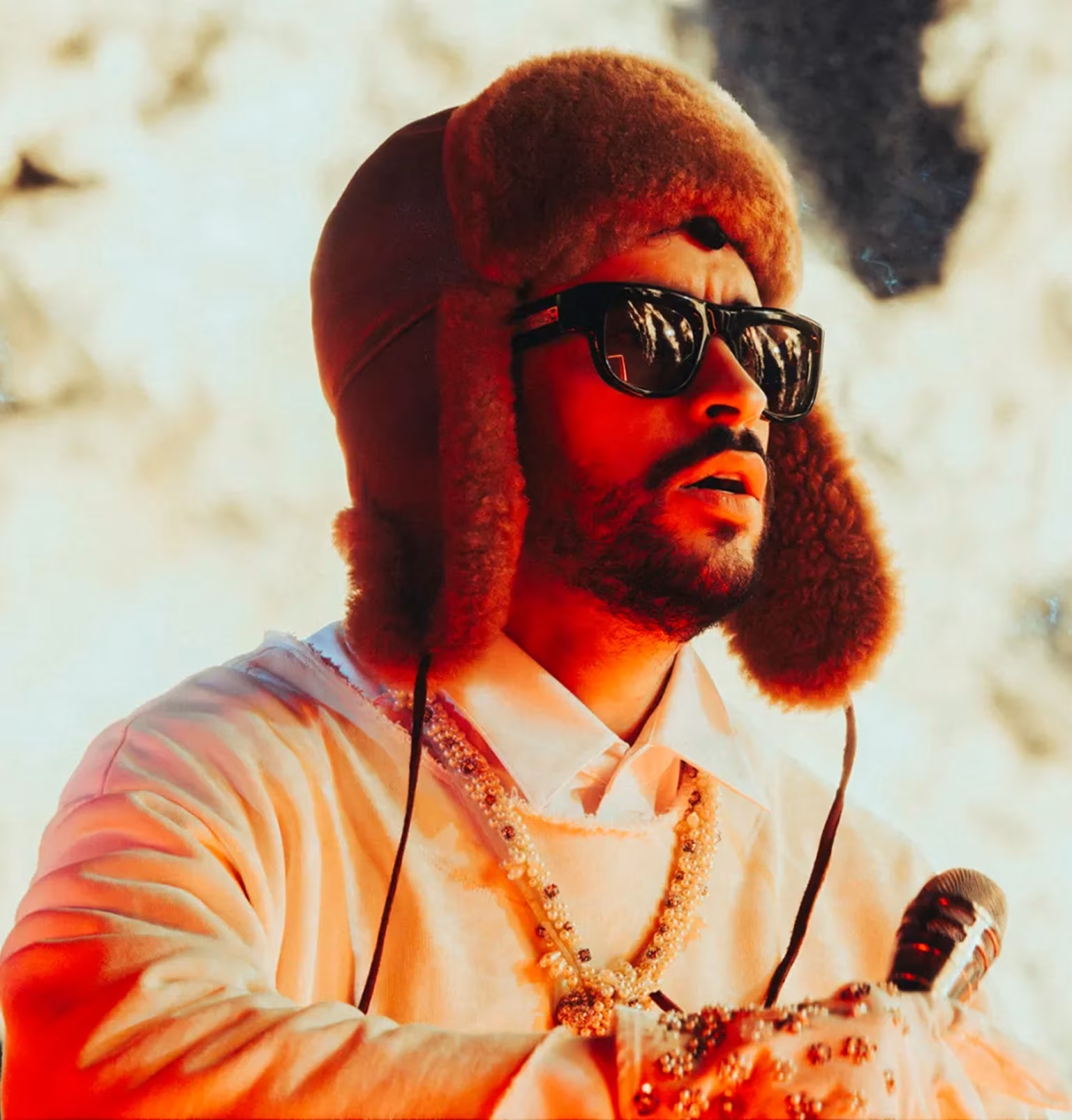
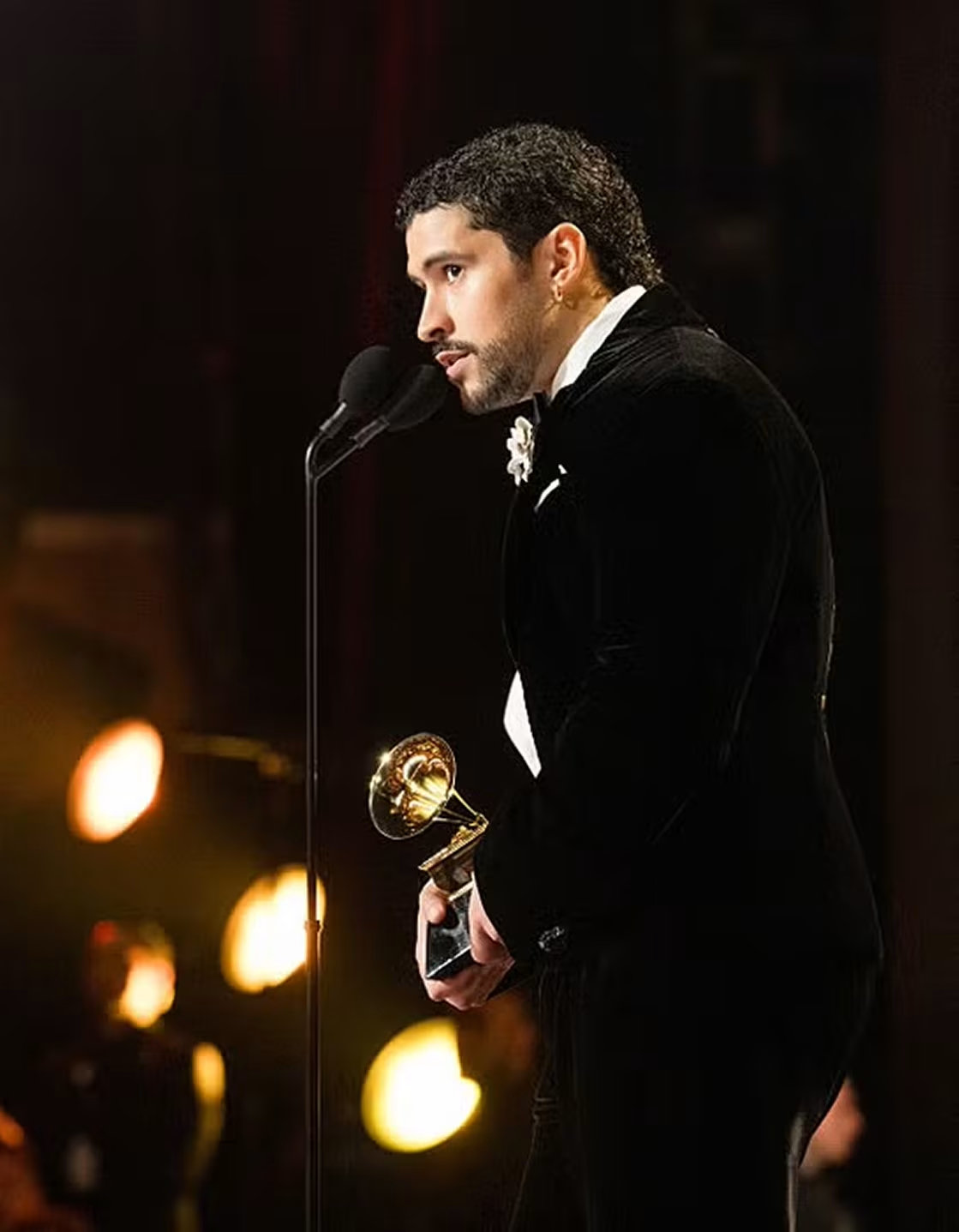
Bad Bunny did not just win Best Album at the 2026 Grammys. He shifted the room. The moment his name was called felt less like a trophy grab and more like a cultural checkpoint. This was an album that already lived in people's headphones, bedrooms, group chats and late night drives. The Grammy simply caught up.

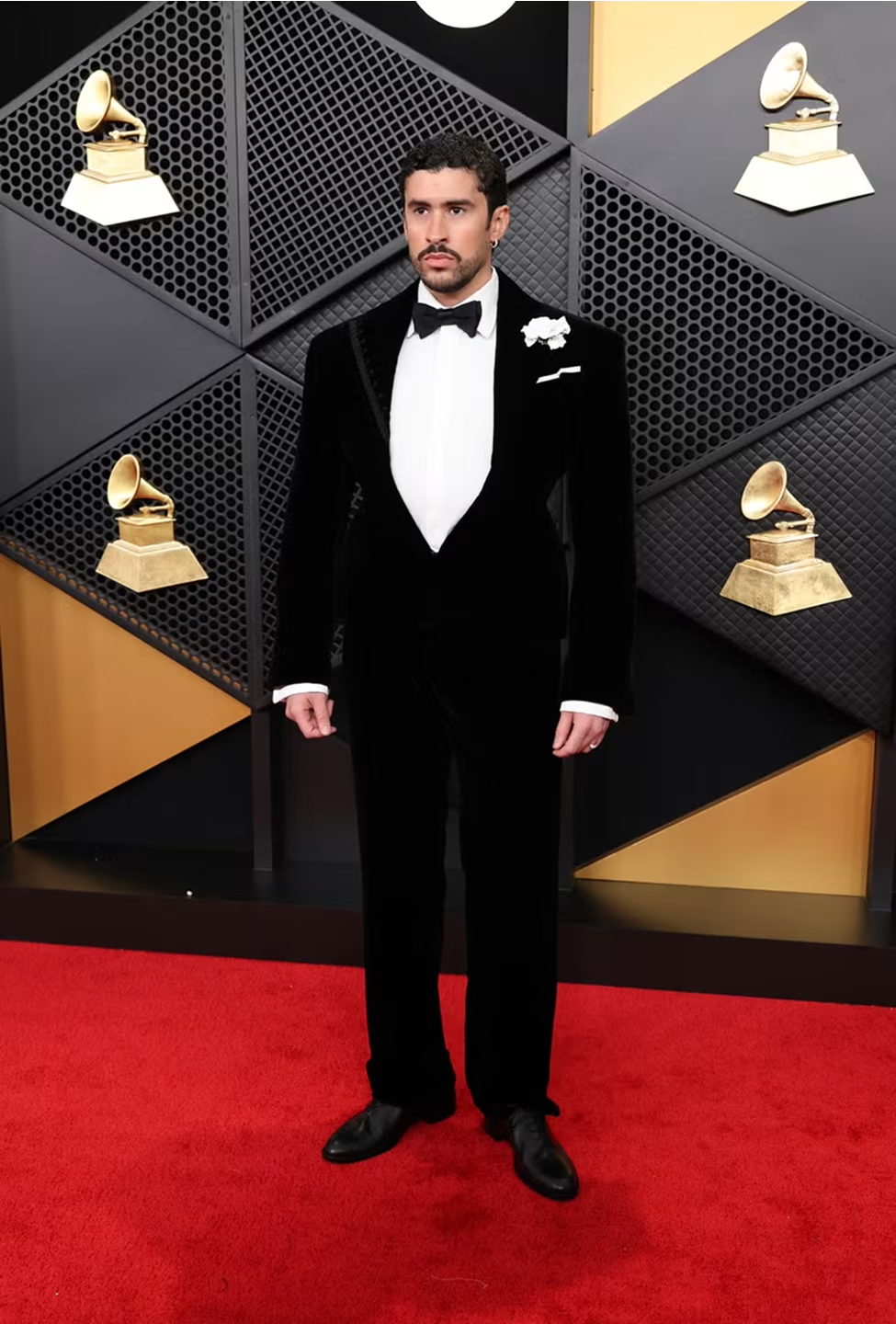
The record arrived quietly and then took over everything. It was intimate without being small and experimental without trying too hard. Bad Bunny leaned into contradiction. Soft songs sat next to restless ones. Love songs felt political. Party tracks carried grief underneath the bass. The album sounded like Puerto Rico at dusk. Not the postcard version but the real one. The streets. The silence. The memory of leaving and the ache of staying connected.
At its core the album was a dedication. To his island. To the people who raised him. To a generation that grew up online but still carries old world emotion. Bad Bunny spoke openly about making this project as a love letter to Puerto Rico and to himself before fame blurred the edges. It was about reclaiming identity while the world watched. That honesty became the album's heartbeat.
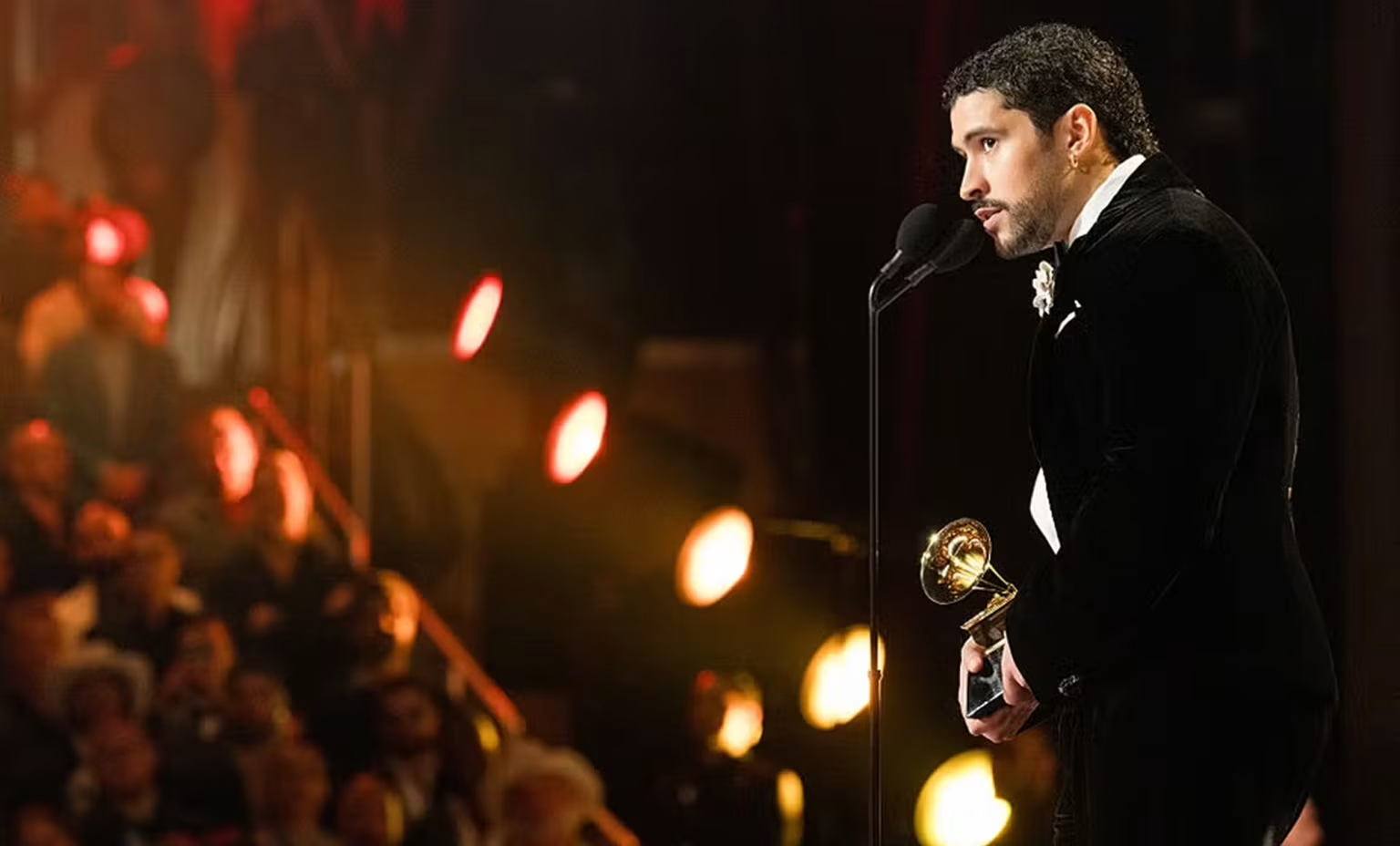
What made the project resonate so deeply was its refusal to explain itself. Lyrics moved between Spanish slang and poetic reflection with ease. References felt personal rather than packaged. Listeners were not being sold a concept. They were being invited into a state of mind. It felt lived in. Worn in the best way. Like clothes you never want to throw away.
What made the project resonate so deeply was its refusal to explain itself. Lyrics moved between Spanish slang and poetic reflection with ease. References felt personal rather than packaged. Listeners were not being sold a concept. They were being invited into a state of mind. It felt lived in. Worn in the best way. Like clothes you never want to throw away.
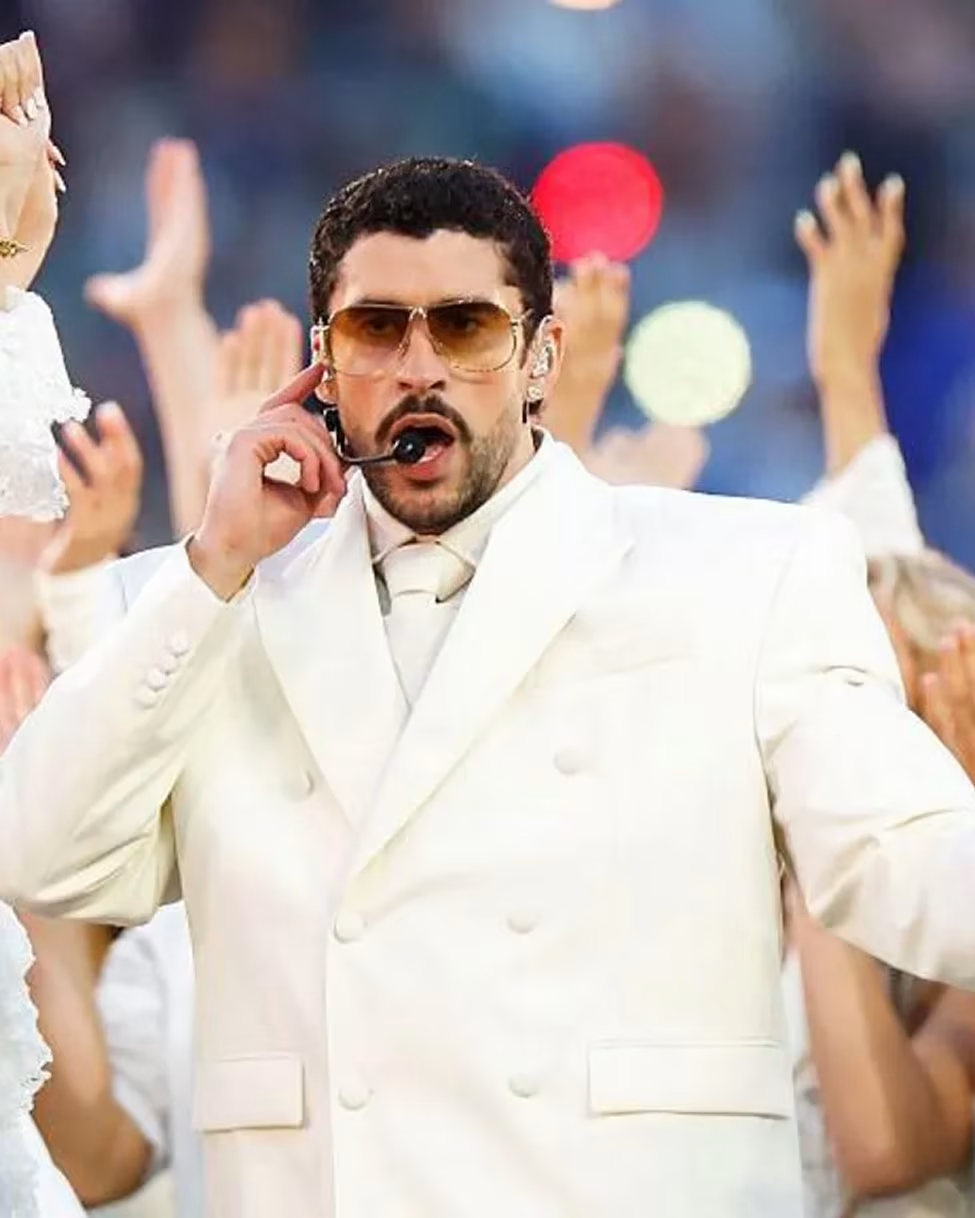
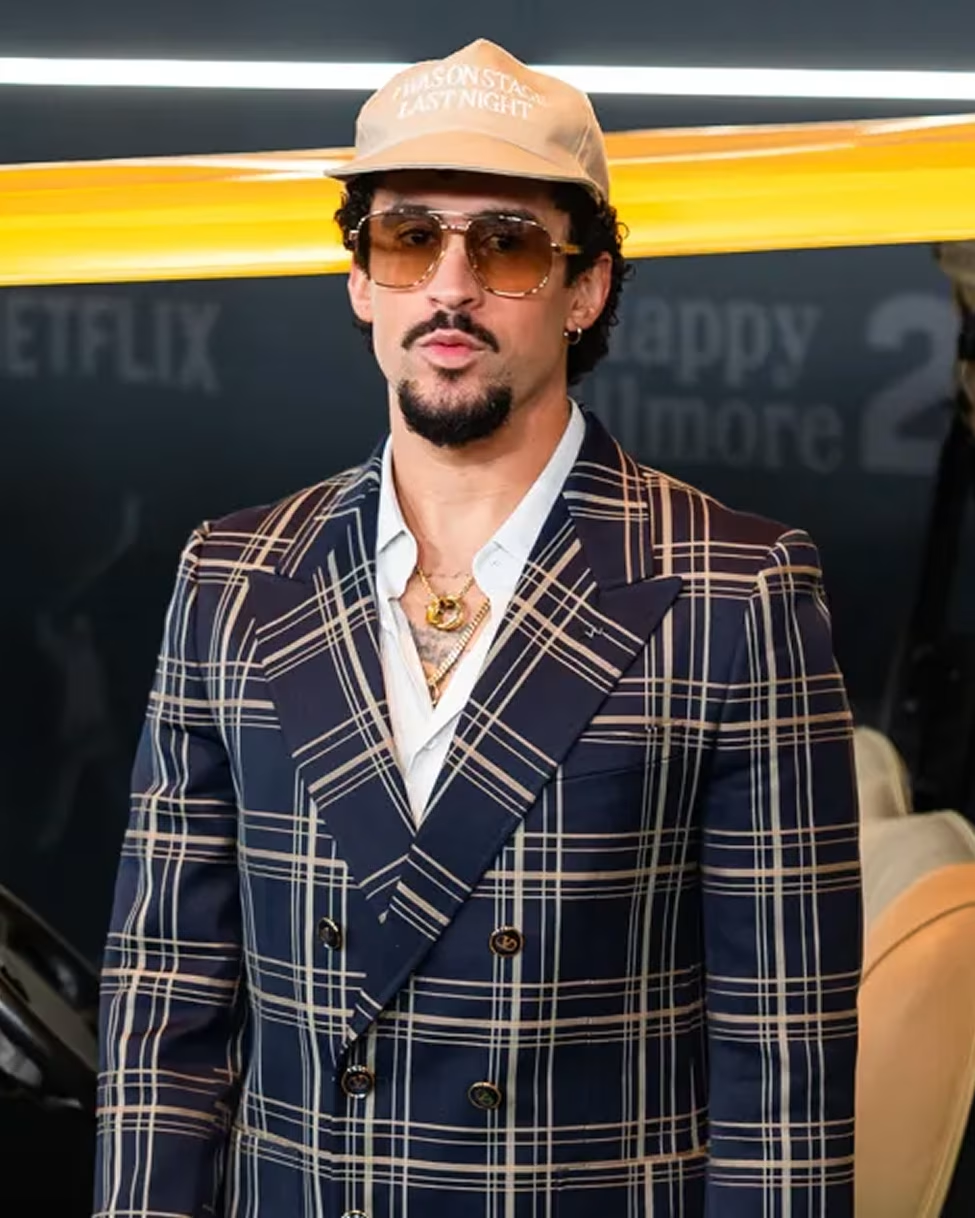
Culturally the album landed at the right moment. In a time where hyper visibility is exhausting and trends burn out overnight, this project felt grounding. It reminded listeners that vulnerability can still be cool. That language does not need to be translated to be felt. That global pop does not have to erase where it comes from. The Grammy win mattered because it recognized more than commercial success. It acknowledged evolution. It honored an artist who refuses to dilute his voice even when the spotlight grows brighter. Bad Bunny did not chase relevance. He defined it on his own terms.
This album deserved the award because it will outlive the year it was released. It documented a feeling many people could not name but instantly recognized. It proved that sincerity still cuts through noise. And it confirmed what fans already knew. Bad Bunny is not just shaping music. He is shaping culture in real time.